

Self adhesive sticker printing has become an integral part of various industries, from product labeling to promotional materials. One crucial aspect that often goes unnoticed but is of utmost importance is the chemical resistance of these stickers. As a self adhesive sticker printing supplier, I understand the significance of this property and its impact on the performance and durability of the stickers.
Understanding Chemical Resistance
Chemical resistance refers to the ability of a material to withstand the effects of various chemicals without undergoing significant changes in its physical or chemical properties. In the context of self adhesive sticker printing, chemical resistance is essential to ensure that the stickers maintain their appearance, adhesion, and functionality when exposed to different chemicals.
There are several factors that can affect the chemical resistance of self adhesive stickers. These include the type of adhesive used, the printing ink, the substrate material, and the specific chemicals to which the stickers will be exposed.
Types of Chemicals and Their Impact
Solvents
Solvents are commonly used in many industries for cleaning, degreasing, and dissolving other substances. When self adhesive stickers come into contact with solvents, they can cause the adhesive to soften, dissolve, or lose its adhesion. This can result in the stickers peeling off or leaving residue on the surface.
Acids and Bases
Acids and bases can also have a significant impact on the chemical resistance of self adhesive stickers. Strong acids and bases can react with the adhesive and the printing ink, causing discoloration, degradation, or loss of adhesion. For example, exposure to hydrochloric acid can cause the ink to fade or the adhesive to break down.
Oils and Greases
Oils and greases are often present in industrial environments and can affect the performance of self adhesive stickers. They can penetrate the adhesive and cause it to lose its grip, leading to the stickers peeling off. Additionally, oils and greases can also stain the printing ink, making the stickers less visible or appealing.
Factors Affecting Chemical Resistance
Adhesive Type
The type of adhesive used in self adhesive sticker printing plays a crucial role in determining its chemical resistance. Different adhesives have different chemical compositions and properties, which can affect their ability to withstand various chemicals. For example, acrylic adhesives are generally more resistant to solvents and acids than rubber-based adhesives.
Printing Ink
The printing ink used on self adhesive stickers also affects their chemical resistance. Some inks are more resistant to chemicals than others, depending on their composition and formulation. For example, UV-cured inks are often more resistant to solvents and abrasion than water-based inks.
Substrate Material
The substrate material on which the stickers are printed can also impact their chemical resistance. Different materials have different chemical properties and can react differently to various chemicals. For example, vinyl substrates are generally more resistant to chemicals than paper substrates.
Testing Chemical Resistance
To ensure that self adhesive stickers have adequate chemical resistance, it is important to conduct testing. There are several methods for testing chemical resistance, including immersion tests, wipe tests, and exposure tests.
Immersion Tests
Immersion tests involve immersing the stickers in a specific chemical for a certain period of time and then evaluating their appearance and adhesion. This test can provide information about the ability of the stickers to withstand the chemical and whether they will maintain their performance over time.
Wipe Tests
Wipe tests involve applying a specific chemical to the surface of the stickers using a cloth or swab and then evaluating the effects. This test can provide information about the resistance of the stickers to surface contamination and whether they will retain their appearance and adhesion.
Exposure Tests
Exposure tests involve exposing the stickers to a specific chemical environment for a certain period of time and then evaluating their performance. This test can provide information about the long-term effects of the chemical on the stickers and whether they will be suitable for use in a particular application.
Importance of Chemical Resistance in Different Industries
Food and Beverage Industry
In the food and beverage industry, self adhesive stickers are used for product labeling and branding. These stickers need to be resistant to various chemicals, such as cleaning agents, food additives, and beverages. Chemical resistance is essential to ensure that the stickers do not contaminate the food or beverage and that they maintain their appearance and adhesion throughout the product's shelf life.
Pharmaceutical Industry
In the pharmaceutical industry, self adhesive stickers are used for labeling medications and medical devices. These stickers need to be resistant to various chemicals, such as disinfectants, solvents, and pharmaceutical ingredients. Chemical resistance is essential to ensure that the stickers do not interfere with the effectiveness of the medications or medical devices and that they maintain their readability and adhesion.
Industrial and Manufacturing Industry
In the industrial and manufacturing industry, self adhesive stickers are used for product identification, safety labeling, and promotional materials. These stickers need to be resistant to various chemicals, such as oils, greases, solvents, and cleaning agents. Chemical resistance is essential to ensure that the stickers do not peel off or lose their adhesion in harsh industrial environments and that they maintain their visibility and durability.
Our Solutions as a Self Adhesive Sticker Printing Supplier
As a self adhesive sticker printing supplier, we understand the importance of chemical resistance and offer a range of solutions to meet the specific needs of our customers.
High-Quality Adhesives
We use high-quality adhesives that are specifically formulated to provide excellent chemical resistance. Our adhesives are tested to ensure that they can withstand a wide range of chemicals, including solvents, acids, bases, oils, and greases.
Chemical-Resistant Inks
We offer a variety of chemical-resistant inks that are designed to provide long-lasting and vibrant printing. Our inks are tested to ensure that they can withstand exposure to various chemicals without fading, smudging, or peeling.
Suitable Substrate Materials
We offer a range of substrate materials that are suitable for different applications and chemical environments. Our substrate materials are selected based on their chemical resistance, durability, and printability.
Customized Solutions
We understand that every customer has unique requirements, and we offer customized solutions to meet their specific needs. Our team of experts can work with you to develop a self adhesive sticker printing solution that is tailored to your application and chemical environment.
Conclusion
Chemical resistance is a crucial property of self adhesive sticker printing that can significantly impact the performance and durability of the stickers. As a self adhesive sticker printing supplier, we are committed to providing high-quality products that meet the specific needs of our customers. Whether you are in the food and beverage industry, pharmaceutical industry, or industrial and manufacturing industry, we have the expertise and solutions to help you achieve your goals.
If you are interested in learning more about our self adhesive sticker printing services or have any questions about chemical resistance, please feel free to contact us. We would be happy to discuss your requirements and provide you with a customized solution.
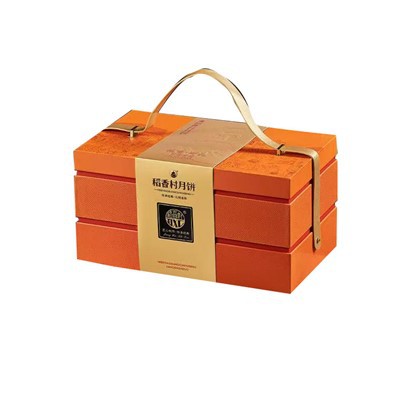
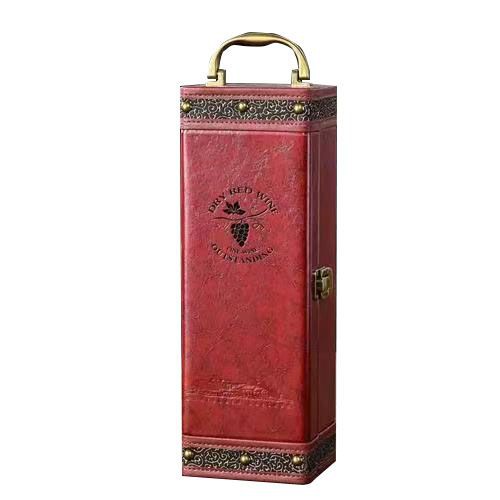
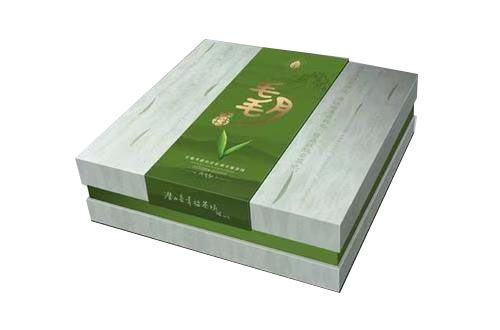
In addition to self adhesive sticker printing, we also offer other packaging printing services, such as Hardcover Gift Box Printing, Tobacco Alcohol Tea Packaging Printing, and Eco Friendly Tote Bag Printing. Contact us today to learn more about our full range of services and how we can help you with your packaging printing needs.
References
- ASTM International. (n.d.). Standard Test Methods for Evaluating the Chemical Resistance of Paints, Varnishes, Lacquers, and Related Coatings. Retrieved from [ASTM website]
- TAPPI. (n.d.). TAPPI Test Methods for Paper, Board, Pulp, and Related Products. Retrieved from [TAPPI website]
- ISO. (n.d.). International Standards for Quality Management and Environmental Management. Retrieved from [ISO website]