

As a seasoned supplier in the field of Color Newspaper Printing, I've witnessed firsthand the crucial role that color correction techniques play in delivering high-quality printed materials. In this blog, I'll delve into the various color correction techniques used in color newspaper printing, sharing insights based on my years of experience in the industry.
Understanding the Basics of Color in Newspaper Printing
Before we dive into the color correction techniques, it's essential to understand the fundamentals of color in newspaper printing. Newspapers are typically printed using the CMYK color model, which stands for Cyan, Magenta, Yellow, and Key (black). This subtractive color model works by combining these four colors in varying proportions to create a wide range of colors.
However, achieving accurate colors in newspaper printing can be challenging due to several factors. Newspaper paper has a different surface texture and absorbency compared to other printing substrates, which can affect how colors appear. Additionally, the printing process itself, including the type of printing press and ink used, can also influence color accuracy.
Color Calibration
One of the first steps in color correction is color calibration. This involves adjusting the printing equipment to ensure that the colors produced match the desired color standards. Color calibration is typically done using a colorimeter or spectrophotometer, which measures the color output of the printing press and compares it to a known color standard.
By calibrating the printing press regularly, we can ensure that the colors printed on the newspaper are consistent and accurate. This is especially important for newspapers that rely on brand colors or need to reproduce images with high color fidelity.
Prepress Color Correction
Prepress color correction is another crucial step in the color newspaper printing process. This involves adjusting the colors of the digital files before they are sent to the printing press. Prepress color correction can be done using specialized software, such as Adobe Photoshop or QuarkXPress.
During the prepress color correction process, we can adjust the color balance, contrast, and saturation of the images to ensure that they look their best when printed. We can also use techniques such as color separation to isolate the different colors in the image and adjust them individually.
Pantone Matching System (PMS)
The Pantone Matching System (PMS) is a standardized color matching system used in the printing industry. PMS colors are specified using a unique number, which allows printers to reproduce the exact color on the printed page.
In color newspaper printing, the PMS system can be used to ensure that brand colors are accurately reproduced. By specifying the PMS color number in the digital files, we can ensure that the printing press uses the correct ink to produce the desired color.
Spot Color Printing
Spot color printing is another technique used in color newspaper printing. Spot colors are pre-mixed inks that are used to print specific colors on the newspaper. Spot color printing is often used for logos, brand colors, and other elements that require a specific color.
Spot color printing can be more expensive than CMYK printing, but it offers greater color accuracy and consistency. By using spot colors, we can ensure that the colors on the newspaper match the brand colors exactly.
Digital Color Management
Digital color management is a process that involves managing the color throughout the entire printing workflow, from the digital files to the printed page. Digital color management systems use color profiles to ensure that the colors are consistent across different devices and printing processes.
In color newspaper printing, digital color management is essential for achieving accurate colors. By using color profiles, we can ensure that the colors in the digital files are accurately reproduced on the printed page.
Color Proofing
Color proofing is an important step in the color newspaper printing process. Color proofing involves creating a sample of the printed material to check the color accuracy before the full print run. Color proofs can be created using a variety of methods, including digital proofs, inkjet proofs, and traditional proofs.
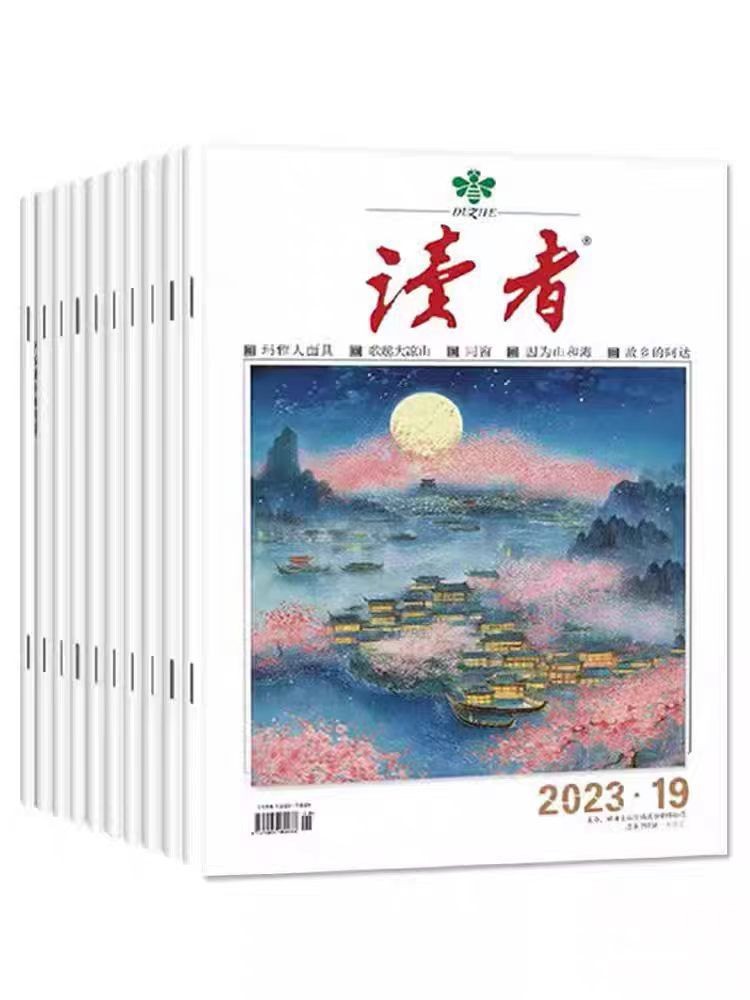
By creating a color proof, we can identify any color issues before the full print run and make any necessary adjustments. This helps to ensure that the final printed material meets the desired color standards.
Quality Control
Quality control is an essential part of the color newspaper printing process. Quality control involves checking the printed material for color accuracy, print quality, and other issues. Quality control can be done using a variety of methods, including visual inspection, color measurement, and print testing.
By implementing a quality control process, we can ensure that the printed material meets the desired quality standards. This helps to ensure that the customers are satisfied with the final product.
Conclusion
Color correction techniques play a crucial role in delivering high-quality printed materials in color newspaper printing. By using techniques such as color calibration, prepress color correction, Pantone matching, spot color printing, digital color management, color proofing, and quality control, we can ensure that the colors on the newspaper are accurate, consistent, and vibrant.
If you're interested in learning more about our Periodical Printing, Perfect Bound Magazine Printing, or Hardcover Yearbook Printing services, please don't hesitate to contact us. We'd be happy to discuss your specific needs and provide you with a quote.
References
- "Color Management for Printers" by Andrew Rodney
- "Printing Technology: Principles and Practices" by Harold Meisenbach
- "The Complete Guide to Color Printing" by Tom Bolton