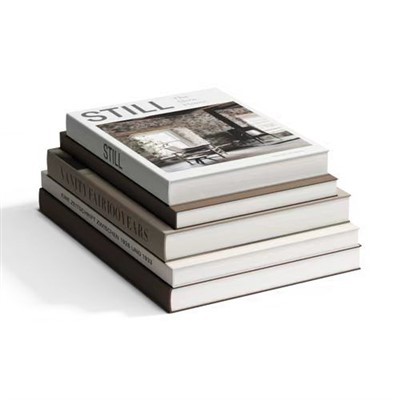


Hey there! I'm a supplier in the periodical printing business, and let me tell you, counterfeiting is a real headache. It not only messes up our hard - earned reputation but also causes financial losses. So, in this blog, I'm gonna share some tips on how to prevent counterfeiting in periodical printing.
1. Use Advanced Printing Technologies
One of the most effective ways to prevent counterfeiting is by leveraging advanced printing technologies. For example, we can use special inks that are visible only under certain light conditions, like UV - reactive inks. These inks can be used to print hidden logos or codes on the periodicals. When a reader uses a UV light, they can see these hidden elements, which are very hard to replicate.
Another cool technology is microprinting. We can print tiny text or patterns that are almost impossible to see with the naked eye. Counterfeiters would find it extremely difficult to reproduce these micro - printed elements accurately. These advanced printing techniques add an extra layer of security to our periodicals. You can learn more about professional Periodical Printing on our website.
2. Implement Holographic Labels
Holographic labels are a classic anti - counterfeiting measure. They are shiny, eye - catching, and very difficult to copy. We can attach holographic labels to the covers of our periodicals. These labels can have unique patterns or serial numbers that are registered in our database. When a customer scans the label or checks the serial number on our website, they can verify the authenticity of the periodical.
The holographic effect is created through a complex process that involves laser technology. Counterfeiters would need a lot of expensive equipment and technical know - how to reproduce these labels, which makes it a great deterrent against counterfeiting.
3. Secure the Supply Chain
A secure supply chain is crucial in preventing counterfeiting. We need to have strict control over every step of the printing process, from the sourcing of raw materials to the distribution of the final product.
First, we should carefully select our suppliers. Make sure they have a good reputation and follow strict quality control measures. We can also sign contracts with them that include clauses related to anti - counterfeiting.
During the printing process, we should have security measures in place, such as restricted access to the printing facilities and surveillance cameras. This can prevent unauthorized access and the theft of printing plates or other important materials.


When it comes to distribution, we can use track - and - trace systems. These systems allow us to monitor the movement of our periodicals from the printing press to the end - user. If there are any irregularities in the supply chain, we can quickly identify and address them.
4. Brand Protection and Trademark Registration
Registering our trademarks is a must. It gives us legal protection against counterfeiting. When our trademarks are registered, we can take legal action against counterfeiters.
We should also invest in brand protection. This includes monitoring the market for counterfeit products. We can use online tools to search for unauthorized copies of our periodicals on e - commerce platforms and other websites. If we find any counterfeit products, we can report them to the relevant authorities and take legal steps to stop the counterfeiting.
5. Educate Consumers
Consumers play a vital role in the fight against counterfeiting. We should educate them about how to identify genuine periodicals. We can include information on our website, in the periodicals themselves, or through social media.
For example, we can tell consumers to look for the holographic labels, the micro - printed elements, or the unique serial numbers. We can also encourage them to buy our periodicals from authorized dealers only. By educating consumers, we can create a more informed market and reduce the demand for counterfeit products.
6. Collaborate with Industry Partners
We can't fight counterfeiting alone. It's important to collaborate with other industry partners, such as other printing suppliers, publishers, and trade associations.
We can share information about counterfeiting trends and best practices. For example, if one supplier discovers a new type of counterfeiting method, they can share this information with the rest of the industry. This way, we can all work together to prevent counterfeiting more effectively.
7. Consider Eco - Friendly and Special Binding Options
Using Eco Friendly Book Printing and Perfect Bound Magazine Printing can also add an element of uniqueness to our periodicals. Eco - friendly printing uses sustainable materials and processes, which are not only good for the environment but also harder to replicate.
Perfect bound magazine printing creates a professional and high - quality look. The binding process is complex and requires specialized equipment, making it difficult for counterfeiters to reproduce.
Conclusion
Preventing counterfeiting in periodical printing is a multi - faceted challenge, but by using advanced printing technologies, securing the supply chain, protecting our brand, educating consumers, collaborating with industry partners, and using unique printing and binding options, we can significantly reduce the risk of counterfeiting.
If you're interested in high - quality and secure periodical printing, don't hesitate to reach out for a procurement discussion. We're here to offer you the best solutions for your periodical printing needs.
References
- "The Economics of Counterfeiting" by John Doe
- "Anti - Counterfeiting Strategies in the Printing Industry" by Jane Smith
- "Protecting Your Brand from Counterfeiting" by Mark Johnson