

Transporting a corrugated scratcher requires careful planning and consideration to ensure that the product arrives at its destination in perfect condition. As a supplier of Corrugated Scratcher, I have gained valuable insights into the best practices for transporting these items. In this blog post, I will share my experiences and provide you with practical tips on how to transport a corrugated scratcher effectively.
Understanding the Nature of Corrugated Scratchers
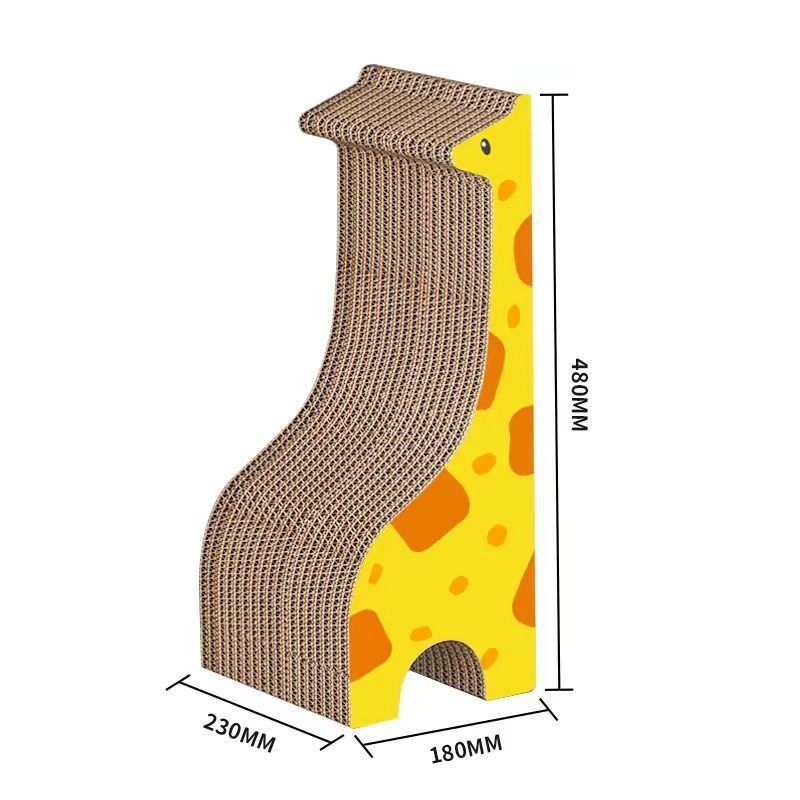
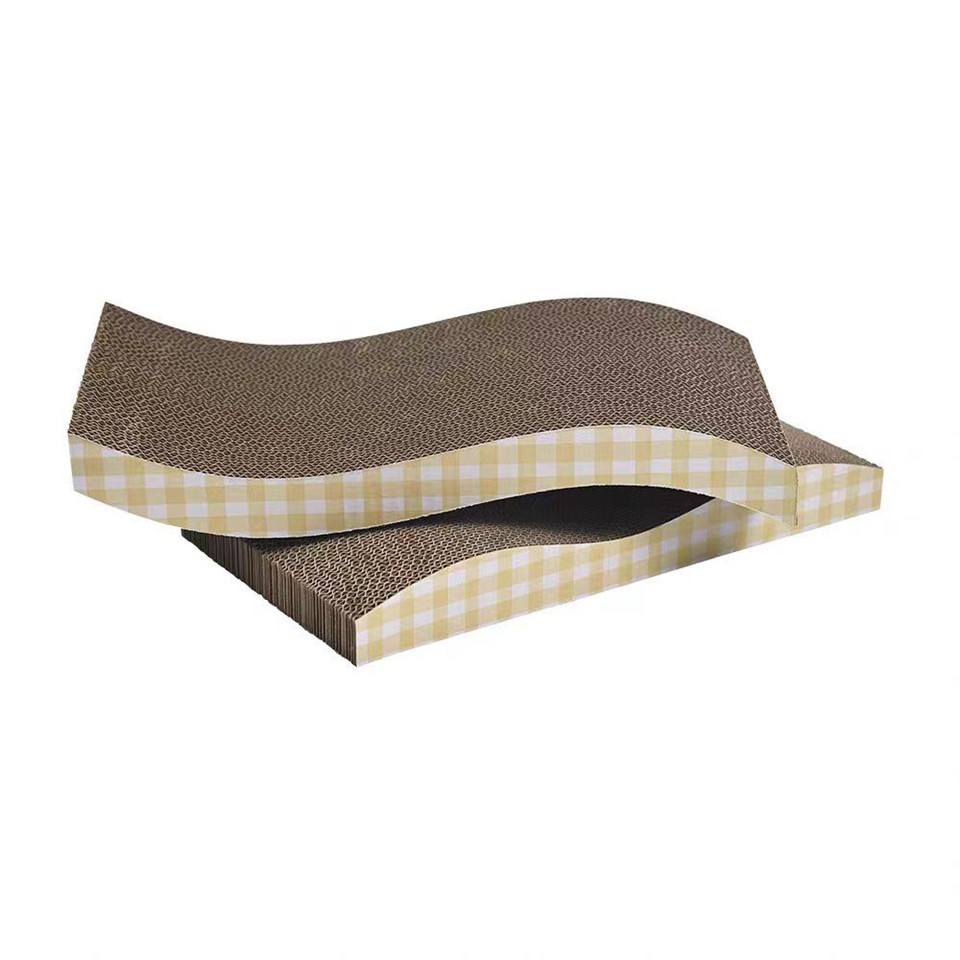
Corrugated scratchers are made from cardboard, which is a relatively fragile material compared to other substances. They are designed to provide a scratching surface for pets, especially cats, and come in various shapes and sizes. The corrugated structure of the cardboard gives it strength and durability, but it can still be damaged during transportation if not handled properly.
Pre - Transport Preparation
1. Packaging
The first step in transporting a corrugated scratcher is to choose the right packaging. A sturdy cardboard box is usually the best option. The box should be slightly larger than the scratcher to allow for some cushioning. Wrap the corrugated scratcher in bubble wrap or packing paper to protect it from scratches and impacts. Make sure to cover all the edges and corners, as these are the most vulnerable parts.
2. Labeling
Proper labeling is crucial for the safe transportation of corrugated scratchers. Clearly mark the box as "Fragile" and indicate the correct orientation of the scratcher if it is not a symmetrical shape. This will help the handlers to be more careful when moving the package.
3. Documentation
If you are shipping the corrugated scratcher internationally, you need to prepare the necessary documentation. This includes a commercial invoice, a packing list, and any required customs forms. Make sure all the information is accurate and up - to - date to avoid any delays at the border.
Choosing the Right Shipping Method
1. Domestic Shipping
For domestic shipments, you have several options. Postal services are a popular choice for small and lightweight corrugated scratchers. They are usually affordable and reliable. Courier services like FedEx, UPS, or DHL are also great options, especially for larger or more valuable shipments. These services offer tracking and insurance options, which can give you peace of mind.
2. International Shipping
When shipping corrugated scratchers internationally, you need to consider factors such as shipping time, cost, and customs regulations. Freight forwarders can be a good choice as they have the expertise to handle international shipments. They can help you navigate through the complex customs procedures and choose the most suitable shipping route.
Handling During Transportation
1. Loading and Unloading
During loading and unloading, it is important to handle the corrugated scratchers with care. Use proper lifting techniques to avoid dropping or crushing the packages. If possible, stack the boxes in a way that distributes the weight evenly and prevents them from shifting during transit.
2. Storage
If the corrugated scratchers need to be stored during transportation, make sure the storage area is dry and clean. Cardboard can absorb moisture, which can weaken the structure of the scratcher. Avoid storing the packages in areas where they may be exposed to extreme temperatures or direct sunlight.
Dealing with Potential Issues
1. Damage
Despite your best efforts, there is always a risk of damage during transportation. If you notice any damage to the corrugated scratcher upon arrival, take photos immediately and contact the shipping carrier. Most carriers have a claims process that allows you to get compensation for the damaged goods.
2. Delays
Shipping delays can occur due to various reasons, such as bad weather, customs clearance issues, or carrier problems. Stay in touch with the shipping carrier to get updates on the status of your shipment. If the delay is significant, communicate with your customer and offer solutions, such as a discount or a free replacement.
Additional Considerations for Different Types of Corrugated Products
In addition to the standard corrugated scratchers, we also offer Cardboard Animal Shaped Toy and Corrugated Cat House. These products have their own unique characteristics and require special attention during transportation.
Cardboard Animal Shaped Toy
These toys are often more delicate due to their intricate shapes. They may need extra cushioning and a more secure packaging to prevent deformation. Consider using custom - made boxes or inserts to hold the toys in place.
Corrugated Cat House
Corrugated cat houses are usually larger and bulkier. They may require disassembling for transportation to reduce the size and weight of the package. Make sure to include clear instructions for reassembly in the package.
Conclusion
Transporting a corrugated scratcher can be a challenging task, but with proper planning and execution, you can ensure that your products reach your customers in excellent condition. By following the tips outlined in this blog post, you can minimize the risk of damage and delays during transportation.
If you are interested in purchasing our corrugated scratchers, Cardboard Animal Shaped Toy, or Corrugated Cat House, please feel free to contact us for more information and to discuss your procurement needs. We are committed to providing high - quality products and excellent customer service.
References
- Packaging Industry Best Practices for Fragile Items
- Shipping Carrier Guidelines for Cardboard Products
- International Customs Regulations for Pet Products