

Hey there! As a textile label printing supplier, I often get asked a bunch of questions about what we can and can't do. One question that pops up quite a bit is, "Can I use images in textile label printing?" Well, let's dive right into this topic and find out the ins and outs.
First off, the short answer is yes, you can use images in textile label printing. In fact, it's a pretty common and cool thing to do. Images can add a whole new level of branding, style, and information to your textile labels. Whether it's your company logo, a product image, or some cool graphics, they can make your labels stand out from the crowd.
Now, let's talk about the different types of images you can use. Logos are probably the most popular choice. Your logo is like the face of your brand, and having it on your textile labels is a great way to increase brand recognition. When you print your logo on a textile label, it needs to look sharp and clear. We use high - resolution image files to ensure that the logo retains its quality during the printing process. So, if you're thinking of using your logo, make sure you have a high - res version ready.
Product images are another option. If you're selling a textile product, showing a picture of it on the label can give customers a better idea of what they're buying. For example, if you're selling a printed scarf, a small image of the scarf design on the label can be really helpful. It gives the customer a visual representation of the product before they make a purchase.
Graphics and illustrations can also be used to add some flair to your labels. You could use simple patterns, fun characters, or abstract designs. These can make your labels more eye - catching and appealing, especially for products aimed at a younger or more fashion - forward audience.
But, there are a few things you need to keep in mind when using images in textile label printing. The first is the resolution. As I mentioned earlier, high - resolution images are a must. If your image has a low resolution, it will look pixelated and blurry when printed. This can really damage the overall look of your label. So, always provide us with images that have a resolution of at least 300 DPI (dots per inch).
The color of the image is also important. Textile label printing uses different color models, and sometimes the colors on your screen might not match exactly with what gets printed. We can usually adjust the colors to get as close as possible to your original, but it's a good idea to be aware that there might be some slight differences.
Another factor is the size of the image. You need to consider how big the label is and how much space the image will take up. If you have a small label, a large image might not fit properly, or it might make the label look cluttered. On the other hand, if you have a large label, a tiny image might get lost. So, it's important to find the right balance.
Now, let's talk a bit about the printing techniques we use for images on textile labels. There are several methods, and each has its own pros and cons. One popular method is digital printing. Digital printing is great for high - quality images because it can reproduce a wide range of colors and details accurately. It's also a good option if you have a small quantity of labels to print, as it doesn't require expensive setup costs.
Another method is screen printing. Screen printing is a more traditional method, and it's great for bold, simple images. It can produce very vibrant colors, but it might not be as good at reproducing fine details as digital printing. However, if you're looking for a more cost - effective option for large - scale printing, screen printing can be a great choice.
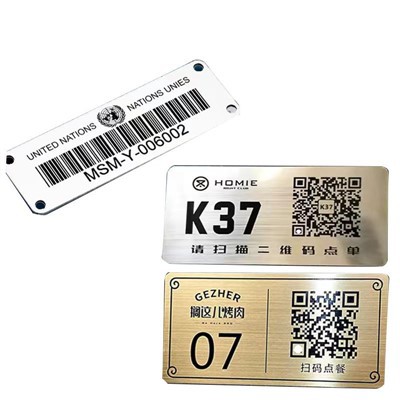
We also offer some specialty printing services that can enhance the look of your images on textile labels. For example, 2d Code Printing can be used to add interactive elements to your labels. You can include a 2D code that, when scanned by a customer's phone, takes them to your product website or a video about your product. This can be a really cool way to engage with your customers.
Glass and Plastic Printing is another option. This can be used to create a unique look for your labels. You can print images on glass or plastic elements and then attach them to your textile labels. This can give your labels a more high - end and sophisticated look.
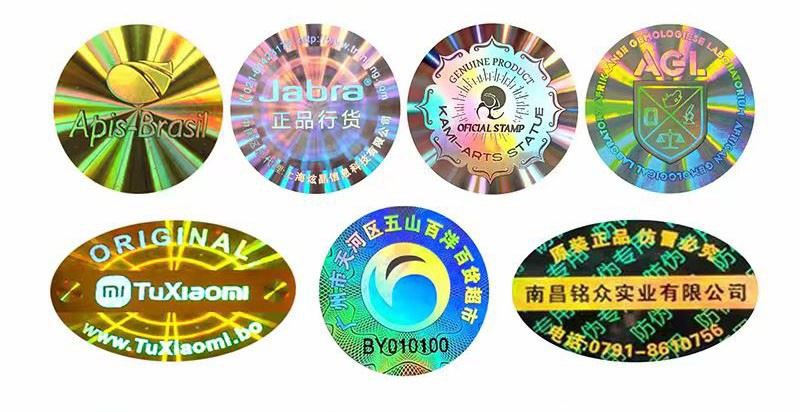
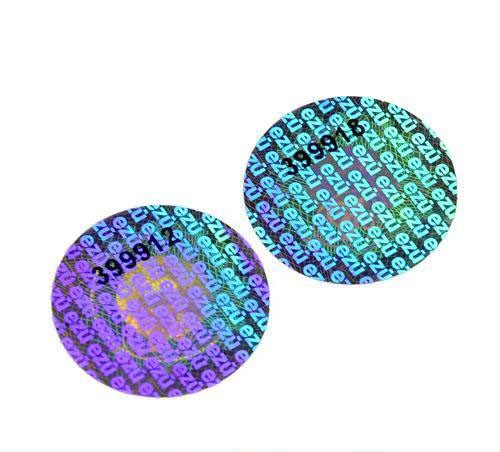
And if you're worried about counterfeiting, we also offer Anti Counterfeit Label Printing. We can add special features to your images, such as holograms or hidden codes, to make it harder for counterfeiters to copy your labels.
So, as you can see, there are a lot of possibilities when it comes to using images in textile label printing. Whether you're a small business looking to add some personality to your products or a large company trying to enhance your brand image, we can help you create the perfect labels.
If you're interested in learning more about our textile label printing services and how we can use images to make your labels stand out, don't hesitate to reach out. We're always happy to have a chat and discuss your specific needs. Whether you have a clear idea of what you want or you're just starting to explore your options, we can work with you to create the best solution for your business.
Let's get started on making your textile labels look amazing!
References:
- General knowledge about textile label printing and image usage in the industry