

In the modern era, where environmental consciousness is at an all-time high, the recyclability of products has become a crucial topic of discussion. As a supplier of high-quality paper cups, I often encounter questions about whether these cups are recyclable in all areas. This blog aims to delve into this issue, providing a comprehensive analysis based on scientific facts and industry knowledge.
The Composition of High-Quality Paper Cups
High-quality paper cups are typically made from a combination of paperboard and a thin layer of polyethylene (PE) coating. The paperboard provides the structural integrity of the cup, while the PE coating serves to prevent liquid from seeping through the paper. This coating is essential for maintaining the functionality of the cup, especially when used for hot or cold beverages.
However, the presence of the PE coating is a double-edged sword when it comes to recyclability. On one hand, it enhances the performance of the cup; on the other hand, it complicates the recycling process. The PE coating needs to be separated from the paperboard before recycling can take place. This separation process requires specialized equipment and techniques, which are not available in all recycling facilities.
Regional Variations in Recycling Capabilities
The recyclability of high-quality paper cups varies significantly from one region to another. In some areas, advanced recycling facilities have the necessary technology to separate the PE coating from the paperboard, allowing for efficient recycling of paper cups. These facilities often use a combination of mechanical and chemical processes to break down the cup and separate its components.
For example, in some European countries, there are well-established recycling programs for paper cups. These programs involve collection systems specifically designed for paper cups, ensuring that they are properly sorted and sent to the appropriate recycling facilities. As a result, a significant portion of paper cups in these regions can be recycled.
In contrast, many developing countries and some rural areas lack the infrastructure and resources to recycle paper cups effectively. In these regions, paper cups often end up in landfills, contributing to environmental pollution. The lack of recycling facilities, combined with limited public awareness about proper waste disposal, makes it challenging to achieve high recycling rates for paper cups.
Factors Affecting Recycling in Different Areas
Several factors contribute to the differences in recycling capabilities across regions. One of the primary factors is the level of investment in recycling infrastructure. Areas with well-funded recycling programs are more likely to have the necessary equipment and facilities to recycle paper cups. This includes sorting machines, pulping equipment, and treatment plants.
Another factor is the regulatory environment. Some regions have strict regulations regarding waste management and recycling, which encourage the development of recycling facilities and promote the proper disposal of paper cups. In these areas, businesses and consumers are more likely to comply with recycling requirements, leading to higher recycling rates.
Public awareness and education also play a crucial role in the recyclability of paper cups. In regions where there is a high level of environmental awareness, consumers are more likely to separate their waste properly and ensure that paper cups are sent to recycling facilities. On the other hand, in areas with low awareness, paper cups may be discarded along with other waste, reducing the chances of recycling.
Our Role as a High-Quality Paper Cups Supplier
As a supplier of high-quality paper cups, we are committed to promoting environmental sustainability. We understand the importance of recyclability and are constantly working to improve the design and manufacturing process of our paper cups to make them more environmentally friendly.
One of the ways we are addressing the recyclability issue is by exploring alternative materials and coatings. We are researching and developing paper cups with biodegradable coatings that can be easily separated from the paperboard during the recycling process. This not only improves the recyclability of our products but also reduces the environmental impact of our paper cups.
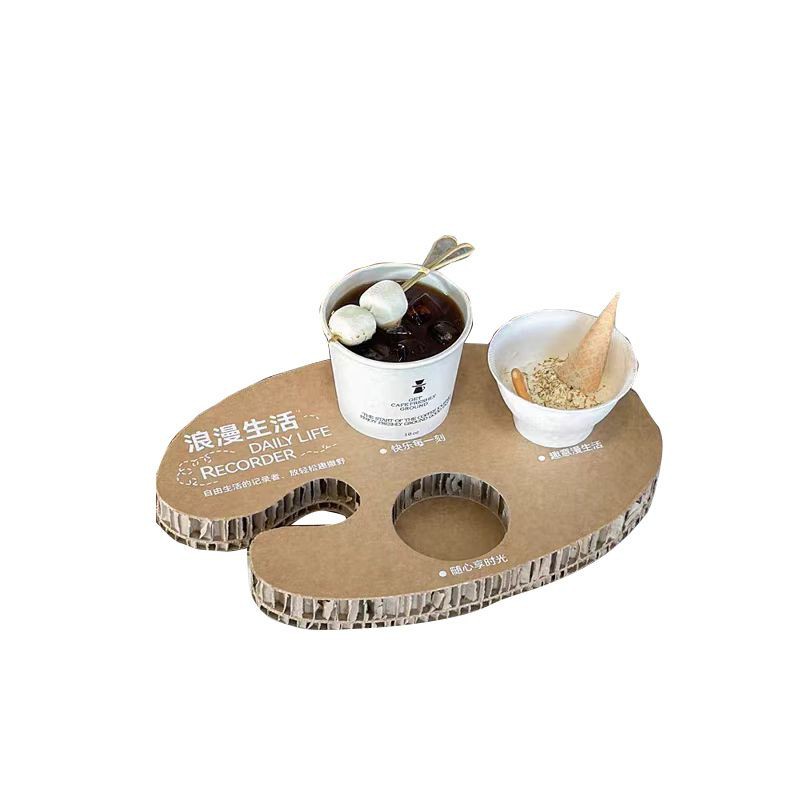
In addition to product innovation, we are also actively involved in promoting recycling awareness among our customers. We provide educational materials and resources to help our customers understand the importance of recycling paper cups and how to properly dispose of them. We also encourage our customers to support local recycling programs and initiatives.
Related Paper Products and Their Recyclability
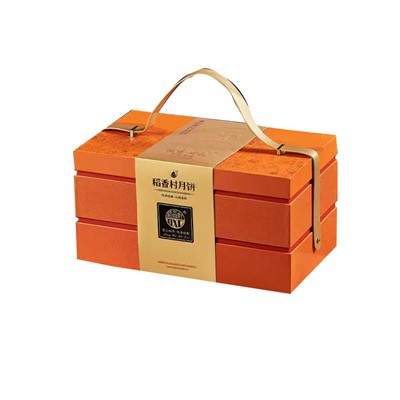
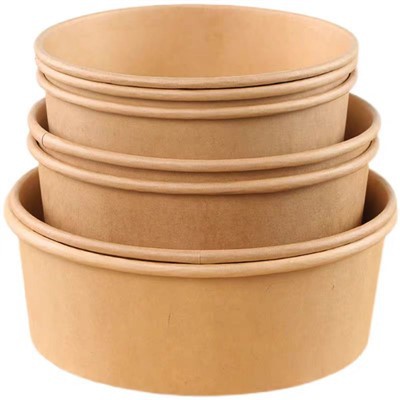
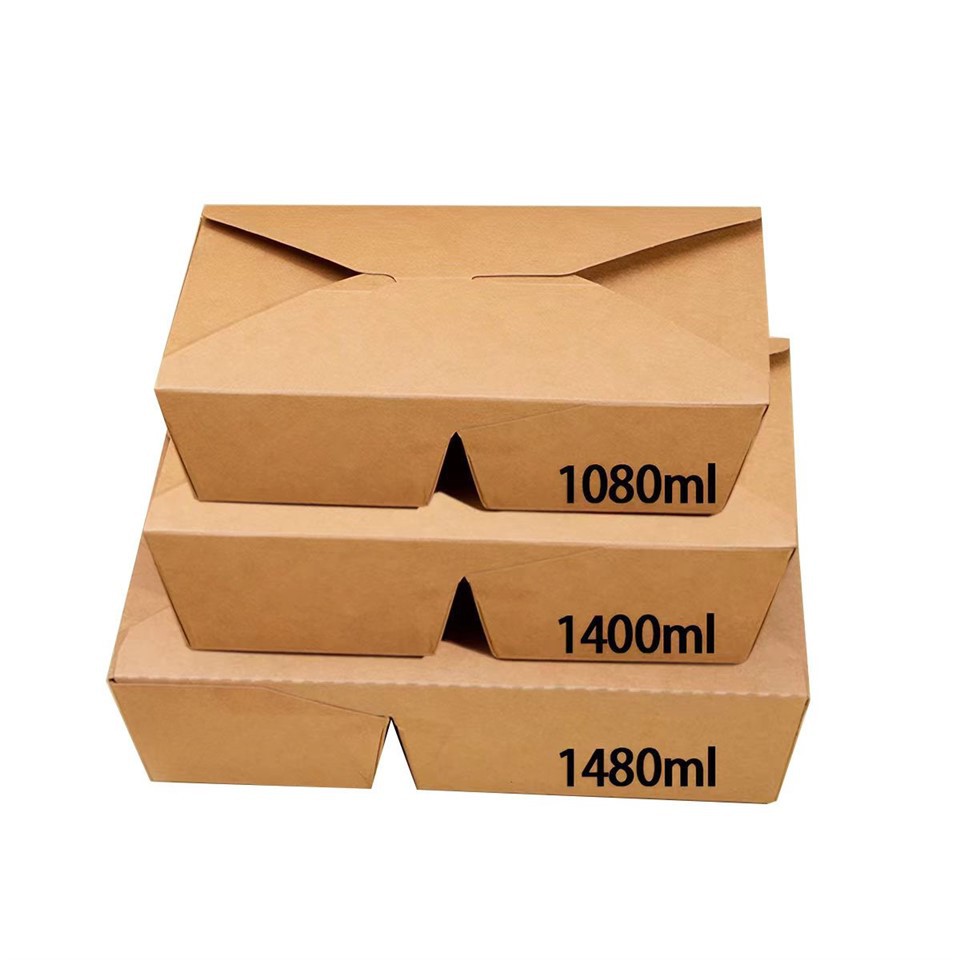
In addition to high-quality paper cups, we also offer a range of other paper products, such as Paper Lunch Boxes for Parties, Paper Dinnerware, and Corrugated Paper Pallets. These products also have different levels of recyclability depending on their composition and the recycling capabilities of the local area.
Paper lunch boxes for parties are typically made from paperboard and may or may not have a coating. If they are made from uncoated paperboard, they are generally more recyclable. However, if they have a plastic or wax coating, the recycling process becomes more complicated.
Paper dinnerware, such as plates and bowls, also vary in recyclability. Some paper dinnerware is made from recycled materials and is designed to be easily recyclable. Others may have a coating or be made from a combination of materials that make them more difficult to recycle.
Corrugated paper pallets are made from multiple layers of corrugated paperboard. They are generally recyclable, but the recycling process may require specialized equipment. In some areas, there are recycling programs specifically for corrugated paper pallets, which help to ensure that they are properly recycled.
Encouraging Recycling and Collaboration
To improve the recyclability of high-quality paper cups and other paper products, it is essential to encourage collaboration among stakeholders. This includes governments, recycling facilities, businesses, and consumers.
Governments can play a crucial role in promoting recycling by implementing policies and regulations that support the development of recycling infrastructure and encourage proper waste management. They can also provide financial incentives for businesses to invest in recycling technologies and for consumers to recycle their waste.
Recycling facilities need to continuously improve their processes and technologies to make the recycling of paper cups and other paper products more efficient. This includes developing new methods for separating coatings from paperboard and finding ways to reduce the environmental impact of the recycling process.
Businesses, like our company, can contribute to the recycling effort by designing and manufacturing products that are more recyclable. We can also work with recycling facilities to ensure that our products are properly recycled and to promote the use of recycled materials in our manufacturing process.
Consumers are the key to achieving high recycling rates. By separating their waste properly and supporting local recycling programs, consumers can make a significant difference. They can also choose to purchase products that are made from recycled materials and are designed to be easily recyclable.
Contact Us for Purchasing and Collaboration
If you are interested in purchasing high-quality paper cups or any of our other paper products, we would be more than happy to discuss your needs. We offer a wide range of products that are designed to meet the highest standards of quality and sustainability. Whether you are a party planner, a restaurant owner, or a business looking for eco-friendly packaging solutions, we have the products and expertise to meet your requirements.
Please feel free to reach out to us to start a conversation about your purchasing needs and how we can work together to promote environmental sustainability. We look forward to hearing from you and helping you find the perfect paper products for your business.
References
- American Forest & Paper Association. (2023). Recycling Basics. Retrieved from [AF&PA website]
- European Recycling Industries' Confederation. (2023). Paper Recycling in Europe. Retrieved from [EuRIC website]
- United Nations Environment Programme. (2023). Global Waste Management Outlook. Retrieved from [UNEP website]